

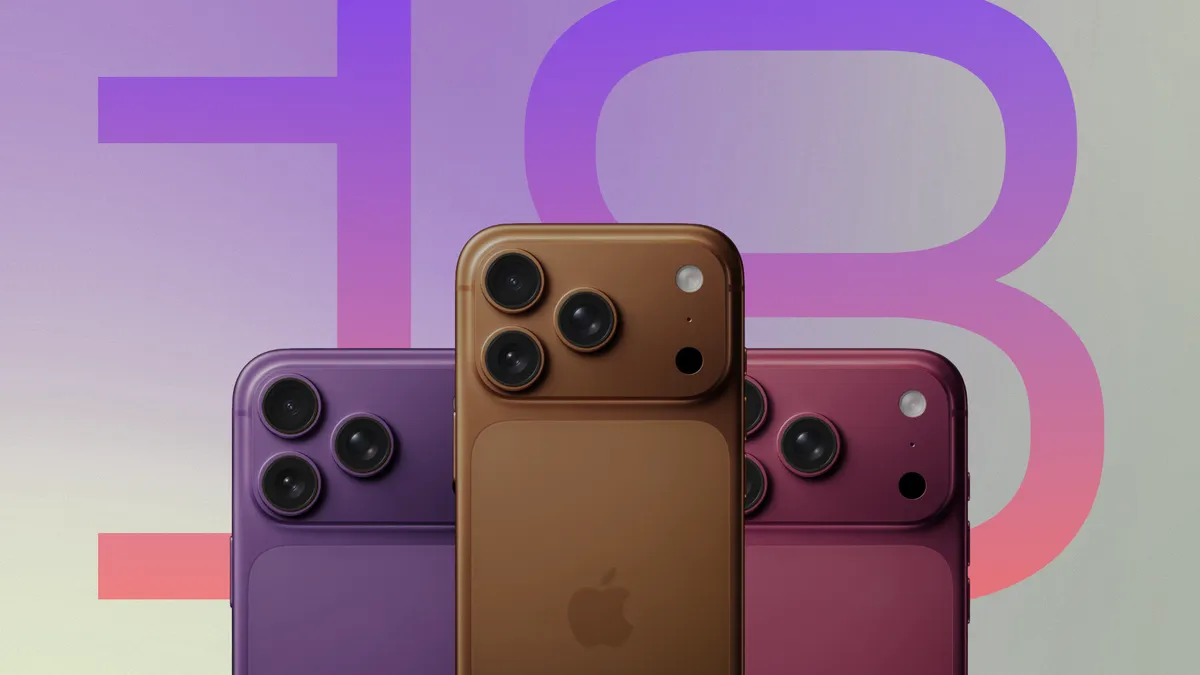
Apple iPhone 18 lineup represents a dramatic shift in how the tech giant approaches smartphone releases.

Unlike previous years when all models launched simultaneously in September, the iPhone 18 series will debut across two distinct phases in 2026 and 2027. This unprecedented strategy affects pricing, availability, and which models you can actually buy this fall.
In this comprehensive guide, you’ll discover the confirmed Apple iPhone 18 release date for each model, detailed pricing estimates based on supply chain reports, complete specifications including the revolutionary A20 chip, camera upgrades, battery improvements, and whether you should wait for the iPhone 18 or grab the current iPhone 17. Whether you’re planning an upgrade or simply curious about Apple’s future direction, this article provides everything you need to make an informed decision.
What is the Apple iPhone 18?
The Apple iPhone 18 represents the next generation of iPhones scheduled for release across two separate launch windows in 2026 and 2027. This marks a fundamental departure from Apple’s traditional September-only release strategy that has defined the company’s smartphone business for over a decade.
According to multiple reports from MacRumors and Macworld, Apple plans to release premium models (iPhone 18 Pro, iPhone 18 Pro Max, and the first foldable iPhone) in September 2026, while delaying the standard iPhone 18 and budget iPhone 18e until spring 2027.
This split launch strategy matters for several critical reasons. First, it allows Apple to focus marketing attention on high-margin premium devices during the crucial holiday shopping season without competition from lower-priced models. Second, it helps manage increasingly complex supply chains by spreading production demands across longer timeframes. Third, it keeps the successful iPhone 17 in the lineup as the latest standard model for over 18 months, maximizing its sales potential.
The iPhone 18 family will include at least five distinct models: iPhone 18 (spring 2027), iPhone 18e (spring 2027), iPhone 18 Pro (fall 2026), iPhone 18 Pro Max (fall 2026), and the revolutionary iPhone Fold (fall 2026). Some reports also mention a possible second-generation iPhone Air, though its timing remains uncertain.
Apple iPhone 18 Release Date: When Will Each Model Launch?
The Apple iPhone 18 release date varies dramatically depending on which model you want. This staggered approach represents Apple’s biggest scheduling change since introducing the iPhone in 2007.
iPhone 18 Pro and Pro Max Release Date
The iPhone 18 Pro and iPhone 18 Pro Max will maintain Apple’s traditional September timeline. According to Mac Observer, expect the following schedule:

Announcement Event: Second week of September 2026 (approximately September 8-15)
Pre-Orders Begin: Friday following the keynote (likely September 11 or 18, 2026)
In-Store Availability: One week after pre-orders open (approximately September 18 or 25, 2026)
This timeline aligns perfectly with Apple’s decade-long pattern of announcing flagship iPhones in early September, opening pre-orders that Friday, and launching in stores the following Friday.
iPhone Fold Release Date
Apple’s first foldable iPhone, currently referred to as the iPhone Fold, will launch alongside the Pro models in September 2026. Multiple sources including Tech Advisor confirm that Samsung Display has begun mass production of 8.6th-generation OLED panels for this device, with assembly scheduled for the third quarter of 2026.
The iPhone Fold represents one of the most anticipated Apple products in years, marking the company’s entry into the foldable smartphone market that Samsung and other manufacturers have explored since 2019.
Standard iPhone 18 and iPhone 18e Release Date
In a historic departure, the base model Apple iPhone 18 release date is set for spring 2027, not September 2026. According to AppleInsider, this delay stems from supply chain sources and has been corroborated by multiple analysts and leakers.
Expected Timeline for Standard Models:
- Announcement: February or March 2027
- Pre-Orders: Shortly after announcement
- Retail Availability: Late February or March 2027
The iPhone 18e, Apple’s budget-friendly option, will launch simultaneously with the standard iPhone 18 in spring 2027. This creates an unusual situation where consumers wanting a new iPhone in fall 2026 must choose from models starting at $999 or more, with no sub-$900 options available.
Why the Staggered Release?
PhoneArena explains that Apple’s increasingly crowded product lineup drives this decision. By the end of 2026, Apple will offer at least eight distinct iPhone models simultaneously, including older iPhone 16 versions, the iPhone 17, iPhone 17 Pro models, and the new iPhone 18 Pro lineup.
Spreading launches across the year gives each model dedicated marketing attention, reduces production bottlenecks, smooths revenue recognition across fiscal quarters, and prevents internal competition between models at different price points.
Expected Price: How Much Will the iPhone 18 Cost?
Pricing for the Apple iPhone 18 price varies significantly across the different models, with premium features and advanced manufacturing processes pushing costs higher than previous generations.
iPhone 18 Pro and Pro Max Pricing
According to Wccftech, the iPhone 18 Pro models face potential price increases due to the expensive 2nm A20 Pro chip, which reportedly costs Apple approximately $280 per unit, roughly 80% higher than previous generation processors.
Projected Pricing for Fall 2026:
- iPhone 18 Pro: $1,099 to $1,199 (128GB base model)
- iPhone 18 Pro Max: $1,199 to $1,299 (256GB base model)
These estimates reflect a potential $100 increase over the iPhone 17 Pro ($999) but maintain consistency with the iPhone 17 Pro Max ($1,199) pricing. The increase accommodates rising component costs, advanced camera systems with variable aperture lenses, and the revolutionary 2nm chip architecture.
iPhone Fold Pricing
The foldable iPhone represents an entirely new price category for Apple. Industry estimates suggest:
iPhone Fold Starting Price: $1,999 or higher
This pricing positions the device competitively against Samsung’s Galaxy Z Fold series ($1,799-$1,999) while reflecting the premium materials, dual-display system, and complex hinge mechanisms required for foldable technology.
Standard iPhone 18 and iPhone 18e Pricing
For the base models launching in spring 2027, pricing remains more speculative. Tech Times suggests:
- iPhone 18 (spring 2027): $799 to $899 (128GB model)
- iPhone 18e (spring 2027): $599 to $699 (128GB model)
These prices maintain Apple’s traditional entry-level positioning while potentially incorporating modest increases to offset the expensive A20 chip and improved camera systems.
International Pricing Estimates
Based on typical conversion patterns and local taxes:
United Kingdom:
- iPhone 18 Pro: £999-£1,099
- iPhone 18 Pro Max: £1,199-£1,299
- iPhone Fold: £1,899-£1,999
European Union:
- iPhone 18 Pro: €1,199-€1,299
- iPhone 18 Pro Max: €1,349-€1,449
- iPhone Fold: €2,199-€2,299
Canada:
- iPhone 18 Pro: CAD $1,499-$1,599
- iPhone 18 Pro Max: CAD $1,649-$1,749
- iPhone Fold: CAD $2,699-$2,799
Australia:
- iPhone 18 Pro: AUD $1,849-$1,949
- iPhone 18 Pro Max: AUD $2,049-$2,149
- iPhone Fold: AUD $3,299-$3,499
Factors Affecting iPhone 18 Price
Several elements contribute to potential price increases:
Manufacturing Costs: The 2nm A20 chip fabrication process costs significantly more than previous 3nm technology. TSMC’s advanced manufacturing requires expensive extreme ultraviolet lithography equipment and more complex production steps.
Premium Materials: Continued use of titanium frames in Pro models, improved glass formulations, and foldable display technology all add to manufacturing expenses.
Tariffs and Trade: Ongoing global trade tensions and potential tariff changes could affect final consumer pricing, particularly in markets outside the United States.
Memory Shortage: Supply chain constraints on LPDDR5X RAM could force Apple to absorb costs or pass them to consumers, depending on market conditions.
Apple iPhone 18 Specifications: Complete Technical Breakdown
The specifications of the Apple iPhone 18 reveal a device pushing technological boundaries across processing power, display technology, camera systems, and connectivity. Here’s everything we know based on credible supply chain reports and analyst predictions.
Processor and Performance
The most significant upgrade centers on Apple’s transition to 2-nanometer chip architecture with the A20 and A20 Pro processors.
A20 and A20 Pro Specifications:
- Manufacturing Process: TSMC 2nm (N2)
- CPU Configuration: 6-core (2 performance + 4 efficiency cores)
- GPU: 5-core (standard A20) or 6-core (A20 Pro)
- Neural Engine: 16-core for AI and machine learning
- RAM: 12GB across all iPhone 18 models (if supply permits)
- Packaging: Wafer-Level Multi-Chip Module (WMCM) technology
According to Croma Unboxed, the 2nm process delivers a 15% speed increase and massive 30% improvement in energy efficiency compared to 3nm A19 chips. This isn’t just incremental progress but represents a fundamental leap in computational capability.
The WMCM packaging integrates RAM directly onto the same wafer as the CPU, GPU, and Neural Engine, rather than positioning memory adjacent to the chip. This tighter integration enables higher memory bandwidth, lower latency, and improved power efficiency, all critical for advanced on-device AI processing.
Performance Implications:
The A20 chip enables sophisticated Apple Intelligence features without cloud processing, protecting user privacy while delivering responsive experiences. Tasks like real-time language translation, advanced photo editing, generative AI image creation, and complex machine learning operations happen entirely on-device.
For gaming, the improved GPU and thermal management allow sustained performance during demanding 3D titles without throttling. Professional creative workflows including 4K video editing with multiple tracks, RAW photo processing, and 3D modeling benefit from the substantial processing power increase.
Display Technology
Display specifications reveal both continuity and innovation depending on the model.
iPhone 18 Pro and Pro Max Display:
- Screen Sizes: 6.3 inches (Pro), 6.9 inches (Pro Max)
- Technology: LTPO OLED with ProMotion
- Refresh Rate: 120Hz adaptive (1Hz to 120Hz)
- Resolution: Approximately 2556 x 1179 pixels (Pro), 2868 x 1320 pixels (Pro Max)
- Peak Brightness: Enhanced over iPhone 17 (specific figures unreported)
- Dynamic Island: Smaller footprint with potential under-display Face ID components
According to reports from Macworld, Apple may finally implement under-display Face ID technology in the Pro models. The infrared flood illuminator would move beneath the display, while the main front camera remains in a smaller punch-hole cutout. This creates a cleaner, more immersive viewing experience with minimal visual interruption.
Standard iPhone 18 Display (Spring 2027):
- Screen Size: 6.27 inches (marketed as 6.3 inches)
- Technology: OLED (likely without ProMotion)
- Refresh Rate: 60Hz or possibly 90Hz
- Resolution: Comparable to iPhone 17
- Peak Brightness: Improved over iPhone 17, though specific targets remain unconfirmed
The standard iPhone 18 reportedly features unprecedented brightness requirements that at least one display supplier is struggling to meet, suggesting Apple is pushing boundaries even for non-Pro models.
iPhone Fold Display:
- Outer Display: Approximately 6.5 inches
- Inner Display: Similar in size and aspect ratio to iPad mini (approximately 8.3 inches when unfolded)
- Technology: Advanced OLED with minimal crease
- Hinge: Book-style folding mechanism
Reports indicate Apple has finalized the foldable design and solved the problematic screen crease issue that plagues competing devices.
Camera System Upgrades
Photography capabilities receive substantial attention across the iPhone 18 lineup.
iPhone 18 Pro and Pro Max Camera Systems:
- Main Camera: 48MP wide lens with variable aperture (f/1.5 to f/2.4)
- Ultra-Wide Camera: 48MP (upgrade from previous 12MP)
- Telephoto Camera: 12MP with 5x optical zoom (periscope lens)
- Front Camera: 24MP (upgrade from 18MP on iPhone 17)
- Features: Variable aperture mechanical system, improved night mode, enhanced computational photography
The variable aperture represents the most significant camera innovation. According to Apple Headlines, this mechanical system physically adjusts the lens opening between f/1.5 (wide open for low light) and f/2.4 (stopped down for landscapes).
Benefits include natural depth-of-field effects without solely relying on software simulation, sharper landscape photography with greater depth of field, better control over light entry in varying conditions, and professional-level photographic control previously requiring dedicated cameras.
Standard iPhone 18 Camera System (Spring 2027):
- Main Camera: 48MP wide lens
- Ultra-Wide Camera: 48MP (matching iPhone 17)
- Front Camera: 24MP with Center Stage support
- Features: Computational photography, Smart HDR, night mode, Photographic Styles
The base model continues Apple’s trend of incorporating advanced camera technology across the entire lineup, though it omits the telephoto lens and variable aperture found on Pro models.
Battery Life and Charging
Battery specifications show Apple addressing one of users’ most frequent concerns.
iPhone 18 Pro Max Battery:
- Capacity: 5,100 to 5,200 mAh (international version)
- Chinese Market: Approximately 5,000 mAh
- Battery Life: Potentially approaching two days with moderate use
According to Croma Unboxed, Apple is testing different battery configurations for various markets, with international versions receiving slightly larger capacities than Chinese variants.
iPhone 18 Pro Battery:
- Capacity: Estimated 4,200 to 4,400 mAh
- Battery Life: Full day with heavy use, multi-day with moderate use
Charging Capabilities (All Models):
- Port: USB-C with USB 3.0 speeds (Pro models)
- Wired Charging: 27W to 30W fast charging
- MagSafe: 25W wireless charging
- Qi2: Standard wireless charging support
- Battery Health: Advanced optimization algorithms
The combination of larger battery capacities and the ultra-efficient 2nm A20 chip creates substantial battery life improvements over previous generations. The 30% energy efficiency gain from the processor architecture alone could add hours of usage time.
Connectivity and Networking
Networking capabilities reflect Apple’s push toward proprietary components and future-ready technologies.
Modem and Cellular:
- Modem: Apple C2 (second-generation in-house design)
- 5G: Sub-6GHz and mmWave support (market dependent)
- Satellite: Potential Starlink integration for full internet access (not just emergency services)
According to Macworld, the C2 modem will be Apple’s first baseband chip supporting high-speed mmWave networks, reducing reliance on Qualcomm components. However, it remains manufactured on TSMC’s older 4nm process rather than cutting-edge nodes, balancing performance with production costs.
WiFi and Wireless:
- WiFi: WiFi 7 support (via N1 chip)
- Bluetooth: Version 6.0 or newer
- Ultra Wideband: Third-generation UWB for precise location tracking
- NFC: Apple Pay, digital keys, and tap-to-share features
Starlink Satellite Integration:
Reports from The Information suggest Apple is developing 5G satellite connectivity through Starlink satellites, enabling full internet browsing, messaging, and data access in areas without cellular coverage. This would dramatically expand iPhone capabilities beyond the emergency-only satellite features introduced with iPhone 14.
Design and Build Quality
Physical design maintains familiarity while introducing subtle refinements.
iPhone 18 Pro and Pro Max Design:
- Frame Material: Titanium alloy (lighter and stronger than steel)
- Back Glass: Unified appearance minimizing color difference with frame
- Colors: Coffee Brown, Deep Purple, Burgundy (no black option reported)
- Dimensions: Consistent with iPhone 17 Pro models
- Weight: iPhone 18 Pro Max may exceed 240 grams
- Water Resistance: IP68 (6 meters for 30 minutes)
According to MacRumors, Apple has updated the back glass to minimize the color difference between glass and aluminum frame, creating a more unified aesthetic. This addresses criticism of the two-tone design introduced with iPhone 17 Pro models.
Standard iPhone 18 Design (Spring 2027):
- Frame Material: Aerospace-grade aluminum
- Screen Size: 6.27 inches (same as iPhone 17)
- Design Language: Similar to iPhone 17
- Colors: To be announced (likely includes standard options)
Storage and Memory
Storage configurations balance capacity with pricing.
Available Storage Tiers:
- Base Model: 128GB (standard iPhone 18)
- Mid-Tier: 256GB
- High-End: 512GB
- Pro Maximum: 1TB (Pro Max only)
RAM Specifications:
All iPhone 18 models are expected to feature 12GB of RAM if Apple can resolve memory supply shortages. This represents a substantial upgrade from the 8GB found in standard iPhone 17 models and enables more sophisticated multitasking and AI features.
The memory uses LPDDR5X specification, though Apple won’t adopt next-generation LPDDR6 until later iterations. However, Apple may implement six-channel memory configuration instead of four-channel, delivering higher bandwidth crucial for on-device AI processing.
Simplified Camera Control Button
To manage costs, the standard iPhone 18 may feature a simplified Camera Control button without the capacitive sensor found on Pro models. Pressure sensing remains available for core functions, but the touch-sensitive gestures would be removed.
Benefits of Waiting for the iPhone 18
Understanding the advantages helps determine whether waiting until fall 2026 or spring 2027 makes sense for your situation.
Revolutionary 2nm Chip Architecture
The A20 chip’s transition to 2-nanometer manufacturing delivers tangible benefits beyond marketing specifications. The 15% speed increase and 30% efficiency improvement translate to:
Practical Performance Gains:
- Noticeably faster app launches and smoother multitasking
- Extended battery life despite larger, brighter displays
- Cooler operation during intensive tasks like gaming or video editing
- Future-proofing for demanding apps released over the next 5-6 years
For comparison, the iPhone 15 Pro’s A17 Pro chip already outperforms most laptop processors in single-core tasks. The A20 extends this lead further, ensuring the iPhone 18 remains capable well into the 2030s.
Professional Camera Capabilities
The variable aperture camera system brings DSLR-level control to smartphone photography. This matters for:
Photography Enthusiasts: Manual control over depth of field, light intake, and creative expression previously requiring dedicated cameras.
Content Creators: Professional-quality images and videos for social media, YouTube, and commercial work without carrying separate equipment.
Casual Users: Automatic optimization across lighting conditions, with the camera selecting ideal aperture for each scenario.
The 48MP ultra-wide camera upgrade also addresses a long-standing limitation, delivering sharp, detailed wide-angle shots matching the quality of the main sensor.
Extended Battery Life
The combination of 5,100+ mAh batteries and ultra-efficient 2nm processors could deliver two-day battery life for typical users. This transforms daily routines:
- Eliminate range anxiety on long travel days
- Reduce charging frequency, extending overall battery lifespan
- Use power-intensive features like video recording without constant monitoring
- Maintain reasonable battery percentage even after heavy gaming sessions
For power users who currently charge mid-day, the iPhone 18 Pro Max could eliminate that inconvenience entirely.
Under-Display Face ID
If rumors prove accurate, under-display Face ID creates a cleaner, more immersive viewing experience. Benefits include:
- Maximum screen real estate without notches or islands
- More discreet authentication that doesn’t draw attention
- Future potential for full-screen displays with no visible interruptions
- Maintained security and convenience of facial recognition
This feature alone might justify waiting for users who prioritize aesthetics and screen immersion.
First Foldable iPhone
The iPhone Fold represents Apple’s boldest hardware innovation in years. Benefits include:
- Tablet-sized display in a pocketable form factor
- Enhanced multitasking with split-screen applications
- New interaction paradigms Apple will develop specifically for foldable screens
- Prestige of owning the first-generation foldable from Apple
While expensive, the Fold targets users who would otherwise carry both an iPhone and iPad, potentially consolidating two devices into one.
Long-Term Software Support
Purchasing an iPhone 18 in 2026 or 2027 ensures iOS updates through at least 2031 or 2032. The powerful A20 chip will handle future iOS versions smoothly, while older devices struggle with new features. This extended timeline maximizes return on investment and delays the next upgrade necessity.
You may have missed:
- WhatsApp Web Calls Rollout for Voice and Video Calls 2026
- How to Help Your Parents with Their Tech Over the Holidays
- How to Grow Your Business With Social Media With Ease
- Top 10 High Income Skills in Nigeria 2026: Your Complete Guide to Financial Freedom
- iPhone 16 Pro vs Google Pixel 9 Pro: Who Has the Best Pro Phone?
- iPhone 16 Pro Max Review: Full Specification and features
- iPhone 16 Review: A Balanced Upgrade with Modern Features
Should You Wait for the iPhone 18 or Buy iPhone 17 Now?
This decision depends on your current device, specific needs, and patience for staggered release schedules.
Wait for iPhone 18 If You:
Have an iPhone 15 or Older: The substantial performance leap from older chips to the A20 justifies waiting. Battery improvements, camera upgrades, and software support duration make the wait worthwhile.
Want Professional Camera Features: Variable aperture and improved ultra-wide camera represent significant upgrades unavailable on iPhone 17.
Prioritize Battery Life: If two-day battery life matters more than having a phone immediately, the iPhone 18 Pro Max delivers.
Are Interested in Foldable Technology: Early adopters willing to pay premium prices for cutting-edge form factors should definitely wait.
Don’t Need a Phone Urgently: If your current device functions adequately, waiting avoids settling for current-generation technology when major upgrades are months away.
Buy iPhone 17 Now If You:
Have an iPhone 14 or Older Needing Replacement: If your current phone struggles with daily tasks, has degraded battery life, or lacks critical features, the iPhone 17 provides immediate relief.
Want the Latest Standard Model Soon: Since the base iPhone 18 won’t launch until spring 2027, the iPhone 17 remains the newest standard model for 15+ months.
Appreciate Current iPhone 17 Features: ProMotion 120Hz display, improved ultra-wide camera, Center Stage front camera, and USB-C connectivity all deliver meaningful improvements over older devices.
Prefer Sub-$900 Pricing: The iPhone 17 starts at $799, while fall 2026 options all exceed $999.
Can’t Wait Until Spring 2027: For those needing a standard iPhone, the 12-18 month wait for iPhone 18 is unreasonably long.
Specific Recommendations
iPhone 12 or Older Users: Upgrade to iPhone 17 now. The multi-year gap means you’re missing substantial improvements in battery, camera, 5G connectivity, and processing power.
iPhone 13/14 Users: Wait if your device works fine. The iPhone 18’s 2nm chip and camera upgrades justify patience.
iPhone 15 Users: Probably wait. Your device remains quite capable, and the iPhone 18 represents a more compelling upgrade target.
iPhone 16 Users: Definitely wait. You have a current-generation device with years of life remaining. The iPhone 18 or even iPhone 19 makes more sense.
Common Challenges and What to Expect
Understanding potential complications helps set realistic expectations.
Challenge: Split Launch Creates Confusion
Reality: Apple’s staggered release means consumers wanting a new iPhone in fall 2026 face only premium options. Budget-conscious buyers must wait until spring 2027 or purchase older models.
Solution: Plan purchases according to the specific model you want. Set calendar reminders for September 2026 (Pro models and Fold) or February 2027 (standard and budget models).
Challenge: Premium Pricing Across 2026 Lineup
Reality: Every iPhone launching in fall 2026 costs $999 or more. The iPhone 17 at $799 remains the most affordable current-generation option.
Solution: Explore carrier financing plans, trade-in programs, and Apple’s monthly payment options to make premium pricing more manageable. Alternatively, purchase an iPhone 17 if budget constraints are paramount.
Challenge: First-Generation Foldable Risks
Reality: The iPhone Fold represents Apple’s first attempt at foldable technology. While the company spent years refining the design, first-generation products sometimes have unforeseen issues.
Solution: Early adopters should accept potential growing pains. Those risk-averse might wait for the second-generation foldable expected in 2027 or 2028 after Apple addresses real-world feedback.
Challenge: Memory Shortages Affecting Features
Reality: Supply chain reports indicate potential RAM shortages that could limit the 12GB configuration to Pro models only, leaving standard iPhone 18 models with 8GB.
Solution: Monitor announcements closely. If 12GB RAM matters for future-proofing and AI features, consider Pro models rather than standard versions.
Challenge: Potential Tariff Impact on Pricing
Reality: Global trade tensions and potential tariff changes could affect final consumer pricing, particularly in markets outside the United States.
Solution: Pre-order during the initial launch window when prices are announced. Waiting could mean facing higher prices if tariff situations worsen.
Advanced Tips for iPhone 18 Purchase Planning
Expert strategies help you maximize value when the iPhone 18 finally launches.
Optimize Your Trade-In Timing
Strategy: If planning to trade in your current device, maintain it carefully through the launch period. Screen cracks, battery degradation, and cosmetic damage significantly reduce trade-in values.
Action Steps:
- Apply a screen protector and protective case immediately
- Avoid software beta programs that might cause issues
- Keep your device at 20-80% charge to preserve battery health
- Document current condition with photos for insurance purposes
Monitor Carrier Competition
Strategy: Major carriers compete aggressively during iPhone launches with trade-in deals, bill credits, and multi-line discounts.
Action Steps:
- Check offers from Verizon, AT&T, T-Mobile, and regional carriers
- Compare not just the headline discount but contract terms and requirements
- Calculate total cost of ownership over 24-36 months, not just the phone price
- Don’t assume your current carrier offers the best deal; willingness to switch creates negotiating leverage
Join Apple’s Beta Programs Strategically
Strategy: Apple often provides early software access to beta participants, allowing you to experience iOS updates before public release.
Timing Consideration: Join betas on your current device, not immediately after purchasing an expensive new iPhone 18. New devices deserve stable software initially.
Consider AppleCare+ Value Proposition
Strategy: The iPhone Fold and Pro Max models represent substantial investments. AppleCare+ with theft and loss coverage might justify its cost.
Calculation:
- iPhone 18 Pro Max without AppleCare+: One screen repair costs approximately $379, back glass $599
- AppleCare+ with Theft and Loss: $299 (24 months) covers repairs for $29-$99 deductibles and full device replacement
For expensive devices used daily in varied environments, the insurance often pays for itself with a single incident.
Plan for Accessory Ecosystem
Strategy: Budget for essential accessories rather than discovering you need them after spending your entire budget on the phone.
Recommended Budget:
- MagSafe charger or charging stand: $39-$99
- Protective case: $30-$70
- Screen protector: $20-$40
- USB-C cable (additional): $19-$29
- Total accessory budget: $100-$250
Third-party options from companies like Anker, Spigen, and ESR provide quality alternatives at lower prices than Apple’s official accessories.
Frequently Asked Questions About Apple iPhone 18
1. When does the iPhone 18 come out?
The Apple iPhone 18 release date varies by model. iPhone 18 Pro and Pro Max launch in September 2026 (likely mid-month), while the standard iPhone 18 and iPhone 18e won’t arrive until spring 2027 (February or March). The iPhone Fold also launches in September 2026 alongside Pro models.
2. How much will the iPhone 18 cost?
Pricing varies significantly: iPhone 18 Pro starts around $1,099-$1,199, iPhone 18 Pro Max begins at $1,199-$1,299, iPhone Fold costs approximately $1,999 or more, standard iPhone 18 (spring 2027) ranges from $799-$899, and iPhone 18e (spring 2027) costs $599-$699.
3. What chip does the iPhone 18 use?
The iPhone 18 features Apple’s A20 chip manufactured on TSMC’s 2-nanometer process. Pro models may receive the A20 Pro variant. This represents a major architectural leap delivering 15% faster performance and 30% better energy efficiency compared to the 3nm A19 chip.
4. Will the iPhone 18 have a foldable version?
Yes. Apple plans to release its first foldable iPhone, currently called the iPhone Fold, in September 2026 alongside the Pro models. It will feature a book-style folding design with an outer display and larger inner display similar in size to an iPad mini when unfolded.
5. Does the iPhone 18 have a better camera than iPhone 17?
Yes, significantly. The iPhone 18 Pro models feature a variable aperture main camera (f/1.5 to f/2.4) enabling DSLR-level control, 48MP ultra-wide camera (upgrade from 12MP), 24MP front camera (upgrade from 18MP), and advanced computational photography powered by the A20 chip.
6. Will the iPhone 18 have better battery life?
Yes. The iPhone 18 Pro Max features a 5,100-5,200 mAh battery combined with the ultra-efficient 2nm A20 chip, potentially delivering two-day battery life with moderate use. This represents a substantial improvement over previous generations.
7. Should I wait for iPhone 18 or buy iPhone 17?
Wait if you have an iPhone 15 or older and your current device functions adequately, want professional camera features like variable aperture, prioritize maximum battery life, or are interested in the foldable iPhone. Buy iPhone 17 now if you have an iPhone 14 or older needing immediate replacement, want the latest standard model before spring 2027, prefer sub-$900 pricing, or can’t wait 12-18 months.
8. Will the iPhone 18 support 6G networks?
No credible reports suggest 6G support. The iPhone 18 will feature advanced 5G through Apple’s C2 modem, including potential mmWave support, and possible Starlink satellite integration for internet access in areas without cellular coverage. Commercial 6G networks won’t exist until the 2030s.
9. What colors will the iPhone 18 come in?
iPhone 18 Pro models are rumored to feature Coffee Brown, Deep Purple, and Burgundy, with no black option reported. Standard iPhone 18 colors haven’t been announced yet but will likely include traditional options similar to the iPhone 17 lineup.
10. Does the iPhone 18 have under-display Face ID?
Possibly. Multiple reports suggest the iPhone 18 Pro and Pro Max will feature under-display Face ID with the infrared flood illuminator hidden beneath the screen. The front camera may remain in a small punch-hole cutout, creating a cleaner design than the current Dynamic Island.
11. How much RAM does the iPhone 18 have?
All iPhone 18 models are expected to feature 12GB of RAM if Apple resolves memory supply shortages. This represents a substantial upgrade from the 8GB in standard iPhone 17 models and enables sophisticated multitasking and on-device AI features.
12. Will there be an iPhone Air 2 in 2026?
Uncertain. Some reports suggest an iPhone Air 2 might launch in September 2026 with the Pro models, featuring a 2nm chip and possibly a second camera. Other sources indicate it could arrive in spring 2027 with standard models, or be delayed further due to poor first-generation Air sales. Official announcements will clarify timing.
Conclusion: The iPhone 18 Marks a New Era for Apple
The Apple iPhone 18 release date and staggered launch strategy represent the most significant change to iPhone releases since the product line began in 2007. By separating premium and standard models across different seasons, Apple creates space for each device to shine while managing complex supply chains and maximizing revenue across fiscal quarters.
For consumers, this means careful planning. Premium device buyers can look forward to September 2026 for the iPhone 18 Pro, Pro Max, and revolutionary iPhone Fold, all featuring the groundbreaking 2nm A20 chip, variable aperture cameras, extended battery life, and potential under-display Face ID. Budget-conscious shoppers must wait until spring 2027 for the standard iPhone 18 and iPhone 18e, or choose from current iPhone 17 models.
The Apple iPhone 18 price reflects advanced technology, with Pro models starting around $1,099 and the Fold approaching $2,000. However, carrier deals, trade-in programs, and Apple’s financing options make these premium devices more accessible than sticker prices suggest.
Whether you wait for the iPhone 18 or purchase the iPhone 17 now depends entirely on your timeline, budget, and specific feature priorities. Those with older iPhones struggling with daily tasks benefit from upgrading immediately, while users of iPhone 15 or newer devices can comfortably wait for the substantial improvements the iPhone 18 brings.
Mark your calendars: September 2026 for premium models and spring 2027 for standard editions. Set up pre-order alerts, research carrier promotions, and prepare your current device for trade-in. The iPhone 18 isn’t just another annual refresh but represents a technological leap that will define smartphone experiences for years to come.
